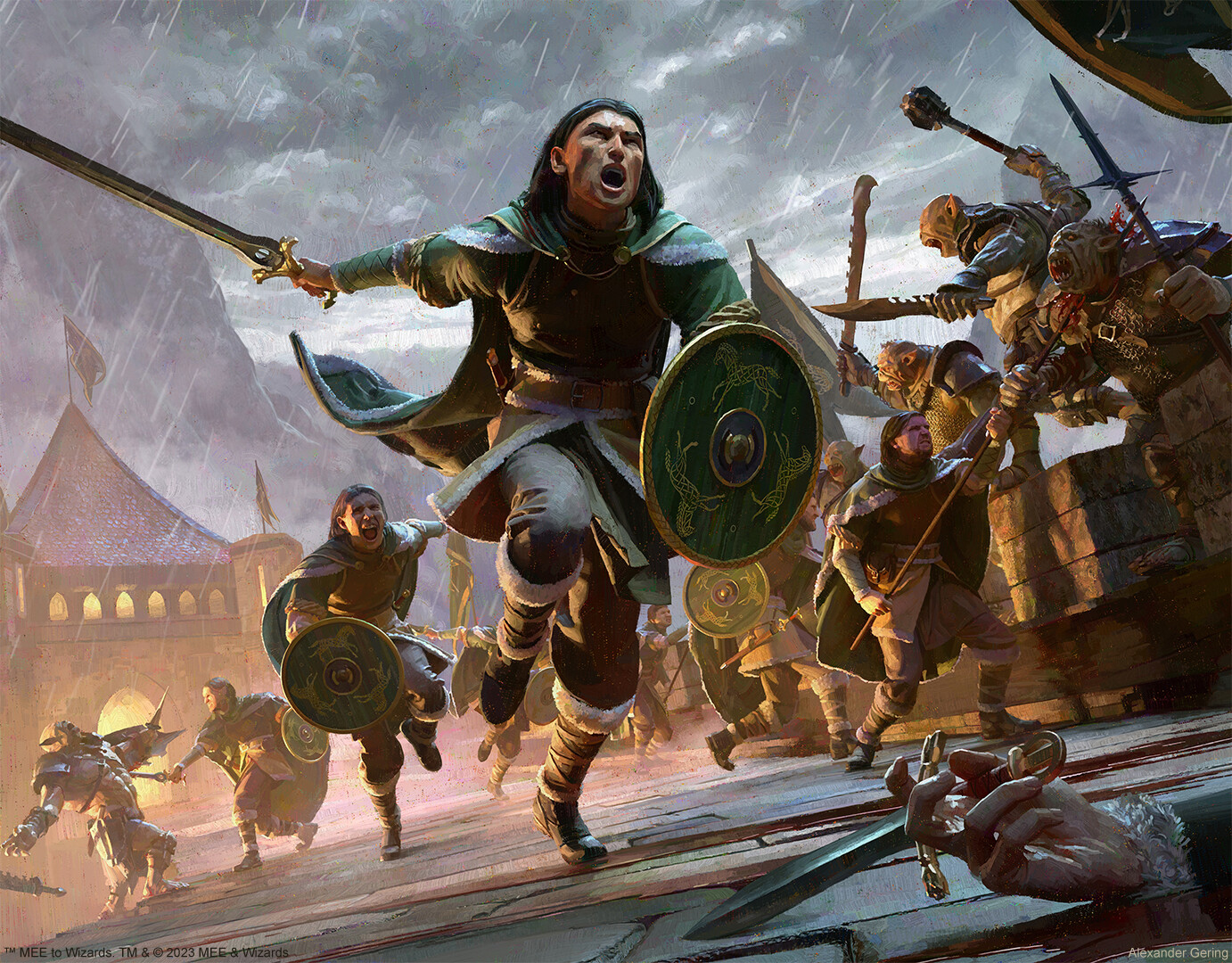
Combat is where most games of Magic: The Gathering are won or lost. On the surface, the concept seems incredibly simple: you turn your creatures sideways to attack, and your opponent chooses how to block them.
However, the Combat Phase is actually a highly structured sequence divided into five distinct steps.
Many new players lose games not because their creatures are weaker, but because they do not understand the exact timing windows of combat. They cast their pump spells too early, allowing the opponent to react perfectly, or they do not realize they can destroy a blocker before damage is dealt.
To maximize your tactical advantage, you need to master the clock. Here is the operational breakdown of how attacking and blocking actually works.
The 5 Hidden Steps of the Combat Phase
Combat happens in a strict chronological order. Between each step, priority passes around the table, meaning players can cast Instants or activate abilities before the game moves forward.
1. Beginning of Combat Step
-
What Happens: The active player announces they are entering combat. This is the absolute last chance for opponents to stop creatures from attacking.
-
Tactical Play: If an opponent controls a creature you do not want attacking you, you must cast a tap-down spell or a removal spell like Go for the Throat during this step. Once the game moves to the next step, it is too late.
2. Declare Attackers Step
-
What Happens: The active player chooses which eligible creatures are attacking and taps them. Once chosen, these attackers are locked in.
-
The Golden Rule: You attack players or planeswalkers, never specific creatures. You cannot choose to have your giant dinosaur attack your opponent’s small wizard directly.
-
Priority Window: After attackers are declared, both players get priority to cast instant-speed spells before blockers are chosen.
3. Declare Blockers Step
-
What Happens: The defending player chooses which of their untapped creatures will block the incoming attackers. Multiple creatures can block a single attacker.
-
The Unblocked Target Rule: Once a creature is legally blocked by a defender, it remains „blocked“ for the rest of the turn. Even if you use a removal spell like Lightning Strike to destroy the blocker after it is declared, the attacking creature does not suddenly become unblocked. It will deal no damage to the player unless it has the Trample keyword.
4. Combat Damage Step
-
What Happens: All creatures deal damage simultaneously. Attacking creatures deal damage equal to their Power to the player or the blocking creatures. Blocking creatures deal damage equal to their Power to the attackers.
-
No Responses Allowed: Players cannot cast spells or activate abilities during this step while damage is physically being dealt. Any pump spells like Giant Growth must be cast during the Declare Blockers Step before the game moves to damage.
5. End of Combat Step
-
What Happens: The dust settles. Creatures that sustained lethal damage are moved to the graveyard. Triggered abilities that check for the end of combat put themselves on the Stack.
Understanding Multiple Blockers (The Damage Assignment Order)
When an opponent blocks your single attacking creature with two or more defenders, the game utilizes a system called Damage Assignment Order.
As the attacking player, the moment multiple blockers are declared, you must immediately announce the order in which your creature will deal damage to them (e.g., „First I will damage Blocker A, then Blocker B“).
During the damage step, your creature must deal lethal damage to the first creature in line before it is allowed to assign any remaining damage to the second creature.
For example, if you attack with a 4/4 creature and the opponent blocks with a 2/2 and a 3/3, you assign the 2/2 first. Your creature deals 2 damage to the 2/2 (killing it) and assigns its remaining 2 damage to the 3/3 (which is not enough to kill it, so the 3/3 survives with 2 damage marked on it). Meanwhile, both defenders deal their combined power back to your attacker, dealing 5 total damage and killing your 4/4.
The Combat Priority Checklist
To avoid timing mistakes during your next match, use this simple checklist during the combat phase:
Action: Tapping Blockers
-
Timing: Beginning of Combat Step.
-
Goal: Tap an opponent’s creature to prevent it from being declared as an attacker or blocker.
Action: Casting Combat Tricks
-
Timing: Declare Blockers Step (After blockers are chosen).
-
Goal: Cast power and toughness buffs after you know exactly how the opponent intends to block, maximizing your trade value.
Action: Activating Removal on Blockers
-
Timing: Declare Attackers Step (Before blockers are chosen).
-
Goal: Destroy a potential blocker to guarantee your attacker connects directly with the opponent’s life total.
Final Verdict: Let the Opponent Make the First Move
The biggest secret to mastering combat timing is patience. As the attacking player, you almost always want to wait until the Declare Blockers Step to cast your instant-speed spells.
By forcing your opponent to lock in their blocks first, you gain complete information. You will know exactly how much power you need to survive, which creatures are going to die, and how to deploy your resources to create the most devastating blowout possible. Master the five steps, protect your timing windows, and dictate the terms of engagement.


